


- Courier service to home from 3,99 € from 1-2 tööpäeva
- Parcel machine from 2,49 € from 1-2 tööpäeva
- Pick up from the store from 28.11.2026
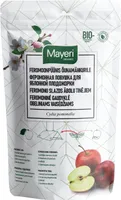
FEROMONE TRAP FOR APPLE MOTHS BY MAYER ORGANIC
SKU: 468972
14.66 € /pcs
10.26 €
The special prices of the online store may differ from the prices of the regular store
Discount 4.40 € (30%)
E-shop campaign price for a logged-in customer
• Trapping codling moth butterflies with pheromone traps is ideal for home gardens where the use of
insecticides is discouraged or kept to a minimum• One trap per apple tree•
The pheromone trap is a small plastic house containing a non-drying adhesive base and a pheromone-impregnated
capsule• The trap lures male moths into the house, where they get stuck to the adhesive base and
die• 14-day return policy.
- Courier service to home from 3,99 € from 1-2 tööpäeva
- Parcel machine from 2,49 € from 1-2 tööpäeva
- Pick up from the store from 28.11.2026
Trapping codling moth butterflies with pheromone traps is well-suited for home gardens where the use of insecticides is discouraged or kept to a minimum. One trap per apple tree. A pheromone trap is a small plastic house containing a non-drying adhesive base and a capsule impregnated with a pheromone—a special scent that lures male moths away during their mating flight. The trap lures male moths into the house, where they get stuck to the adhesive base and die. By using pheromone traps in your garden, you can detect the presence of the codling moth—assess, based on the number of moths caught, whether spraying is necessary, and, if so, carry out the spraying at the right time. When using pheromone traps to monitor the codling moth, hang them at about eye level so that they can be checked weekly. The trap should be hung as horizontally as possible on the southern or western outer branch of an apple tree, so that it is shielded from direct sunlight.
If the traps have caught more than an average of 5 moths per trap during the week, it is recommended to spray with insecticide after 7–14 days. Specifically, the time it takes for the eggs laid by the codling moth to hatch and for the caterpillars to emerge varies depending on the weather, but spraying must take place during the period when the caterpillars are still young and have not yet penetrated the fruit.
After spraying, monitoring of codling moth flight activity should continue, and if the number of moths caught in traps rises again above the control threshold—that is, more than 5 moths per week—a second spraying should be carried out. The timing for this should be determined according to the instructions for the insecticide being used (usually 2–3 weeks after the first spraying).
If the number of butterflies caught in the traps is below the control threshold, it is recommended not to spray! This helps protect the environment and saves you from unnecessary expenses on insecticide.
NB! The glue used on the traps is very sticky and cannot be washed off with water. To clean your hands, you can use regular gasoline or white spirit; cooking oil or similar substances are less effective.
| General | |
|---|---|
| Brand | Mayeri |
| Product height, cm | 30.5 |
| Product width, cm | 21 |
| Product depth, cm | 1 |
| Product code | 468972 |
| Package dimensions | |
|---|---|
| Product weight, kg | 0.09 |
| Package height, cm | 30.5 |
| Package depth, cm | 1 |
| Package width, cm | 21 |
| Weight, kg | 0.09 |
Bauhof Transport
Courier service to home from 3,99 € from 1-2 tööpäeva
Delivery by courier. A Bauhof courier will deliver the goods to the doorstep at the destination. Carriage of the goods to the door or to the apartment is not included. Once the ordered products have been delivered to the courier company, the courier company will contact you in advance to specify the delivery time.
Check out more detailed terms here Parcel machine
Parcel machine from 2,49 € from 1-2 tööpäeva
Delivery to a parcel terminal. Parcels can be delivered to a parcel machine if they have a maximum size of 60x36x60 cm including packaging and weigh up to 35 kg. The delivery time is indicated on the product card. Once the products ordered have been delivered to the courier company, an SMS will be sent to the telephone number entered, containing information on the arrival of the parcel, the location and opening hours of the dispenser and a personal door code.
Check out more detailed terms here I'll follow myself
Pick up from the store from 28.11.2026
I'll come to the Bauhof store myself to order. Estimated time of delivery from the store is indicated on the product card. We will send you a notification when the goods arrive at the store.
Check out more detailed terms here