

- Delivery is not possible
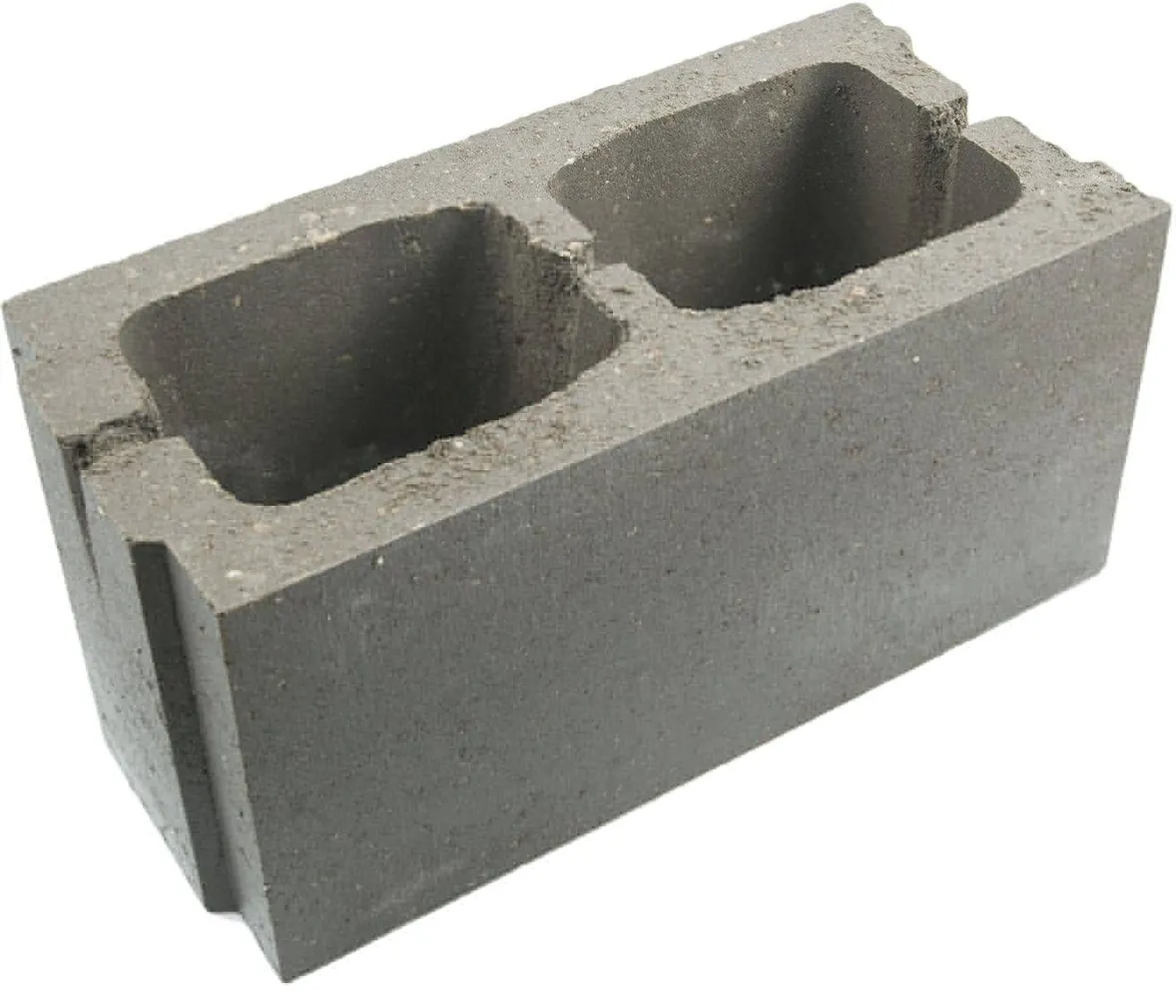
REAPLOKK ARC 240x190x390 mm
SKU: 566851
We apologize, but we inform you that the desired product is currently temporarily out of stock due to high demand. However, we offer excellent alternatives from the same product category , which can bring you just as much joy!
But your shopping pleasure doesn't have to end here - you can continue your research by returning to the homepage or use our powerful search function to discover even more great options. Happy shopping!
But your shopping pleasure doesn't have to end here - you can continue your research by returning to the homepage or use our powerful search function to discover even more great options. Happy shopping!
• The Reaplokk block measures 240 x 190 x 390 mm.
• The 240 mix block features a combined locking system and the end grooves familiar from older blocks, which should make laying even more convenient.
• Suitable for laying all types of masonry, with or without additional requirements.
• The masonry is ideal for bearing heavy loads.
• Suitable for both indoor and outdoor use.
• 14-day return policy.
- Delivery is not possible
The Arc brick measures 240 x 190 x 390 mm.
A new feature of the 240 mix block is a combined locking system and the end grooves familiar from the older block, which should make laying even more convenient. This feature allows for laying either a clean-joint wall with end joints or without end joints, using only the end lock to secure the blocks.
Hollow blocks are suitable for building all types of masonry (foundations, load-bearing walls, partition walls, retaining walls) with or without additional requirements (insulation, waterproofing, reinforcement).
The masonry is ideal for bearing heavy loads (foundations, load-bearing walls);
It offers good opportunities for additional wall reinforcement without altering the exterior appearance;
The use of pigments in the manufacturing process allows for the selection of a suitable color;
Use is not recommended where there is direct contact with hot flue gases or fire. It is convenient to route electrical wires and other utilities through the cavities. Low mortar consumption—approximately 1.8 kg of mix per 240 mm-wide block.
Since the blocks’ outer surface is smooth and flat and they have sufficient frost resistance, they are suitable for use in both indoor and outdoor conditions. Due to their relatively high mass, a properly laid concrete masonry wall provides good airborne sound insulation. To achieve better load-bearing capacity, sound insulation, and fire resistance, the voids in the blocks can be filled with concrete.
The blocks have an open-cell structure and absorb water relatively quickly; they also dry out quickly.
If the masonry (foundation, building exterior wall) is exposed to external sources of moisture, waterproofing measures must be used to divert water, or—depending on the structural possibilities—sheet metal gutters should be installed to divert rainwater.
To prevent cracking caused by volume changes, it is recommended to install vertical expansion joints above openings, at the junctions of columns, pilasters, and intersecting walls, at points where wall heights and widths change, and longitudinal deformation joints every 6–7.5 meters. Reinforcing the wall also helps prevent the formation of deformation cracks; reinforcement can increase the length between joints in the masonry.
| General | |
|---|---|
| Brand | Magna |
| Product height, cm | 39 |
| Product width, cm | 24 |
| Product depth, cm | 19 |
| Product code | 566851 |
| Package dimensions | |
|---|---|
| Product weight, kg | 19 |
| Package height, cm | 39 |
| Package depth, cm | 19 |
| Package width, cm | 24 |
| Weight, kg | 19 |
| Product information | |
|---|---|
| Material | Concrete |
Delivery is not possible