

- Delivery is not possible
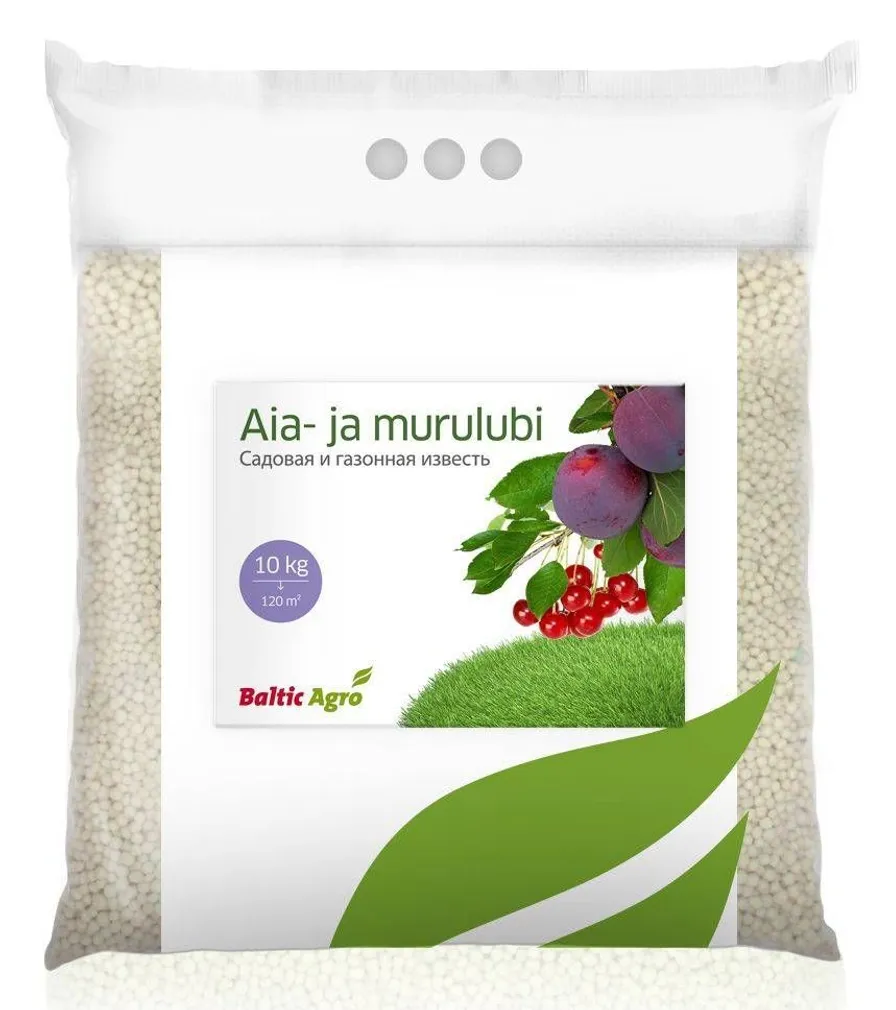
GARDEN AND LAWN FERTILIZER BALTIC AGRO 10 KG
SKU: 566905
We apologize, but we inform you that the desired product is currently temporarily out of stock due to high demand. However, we offer excellent alternatives from the same product category , which can bring you just as much joy!
But your shopping pleasure doesn't have to end here - you can continue your research by returning to the homepage or use our powerful search function to discover even more great options. Happy shopping!
But your shopping pleasure doesn't have to end here - you can continue your research by returning to the homepage or use our powerful search function to discover even more great options. Happy shopping!
• Limestone powder is used
to reduce the acidity of mineral soil, lawns, or growing peat• Adding it raises the soil’s pH, improves nutrient solubility, and
stimulates the activity of soil microorganisms• Liming inhibits the
growth of moss in lawns• 14-day return policy.
to reduce the acidity of mineral soil, lawns, or growing peat• Adding it raises the soil’s pH, improves nutrient solubility, and
stimulates the activity of soil microorganisms• Liming inhibits the
growth of moss in lawns• 14-day return policy.
- Delivery is not possible
Limestone flour is used to reduce the acidity of mineral soil, lawns, or growing peat. Adding limestone flour raises the soil’s pH, improves the solubility of nutrients, and stimulates the activity of soil microorganisms. The calcium and magnesium content of the soil also increases. Liming inhibits the growth of moss in lawns. Use from early spring through late fall. Lime can be spread on the surface of the soil (or lawn) or mixed into the soil. Suitable pH levels for crops: pH 6–7 – field cucumbers, tomatoes, onions, peas, cabbage, turnips, beans, carrots, beets, leeks, rhubarb, tulip bulbs; pH 6–6.5 – strawberries, berries, fruit trees, ornamental plants, potatoes; pH 5.5–6.5 – lawns.
Application rate: 8 kg per 100 m² on the soil surface annually.
When establishing a garden or planting, mix 30–80 kg per 100 m² into the soil.
Approximately 6 kg of limestone powder is needed to neutralize the acidity of 1 m³ of peat.
Read the label before using the product and follow safety instructions when using it.
| General | |
|---|---|
| Brand | Baltic Agro |
| Product height, cm | 45 |
| Product width, cm | 37 |
| Product depth, cm | 6 |
| Product code | 566905 |
| Package dimensions | |
|---|---|
| Product weight, kg | 10 |
| Package height, cm | 45 |
| Package depth, cm | 6 |
| Package width, cm | 37 |
| Weight, kg | 10 |
Delivery is not possible