




- Home delivery from 16,90 € from 02.12.2026
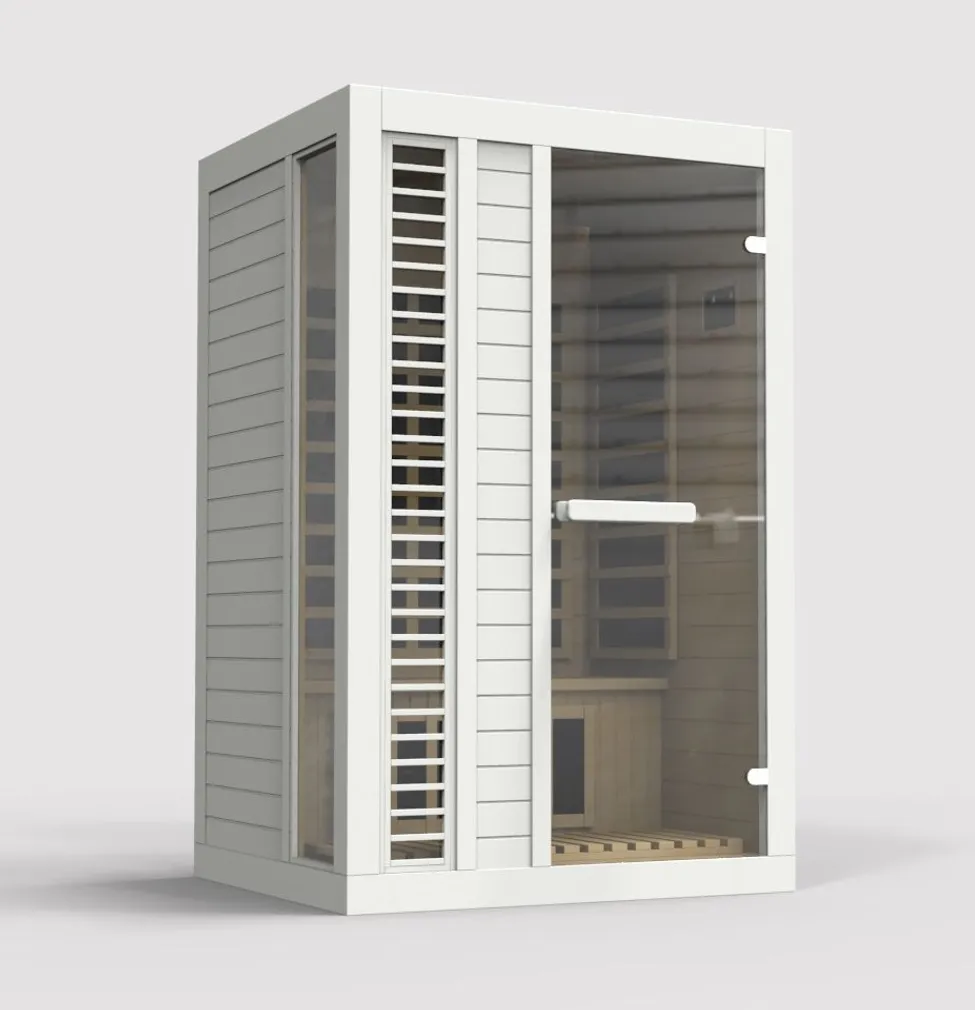
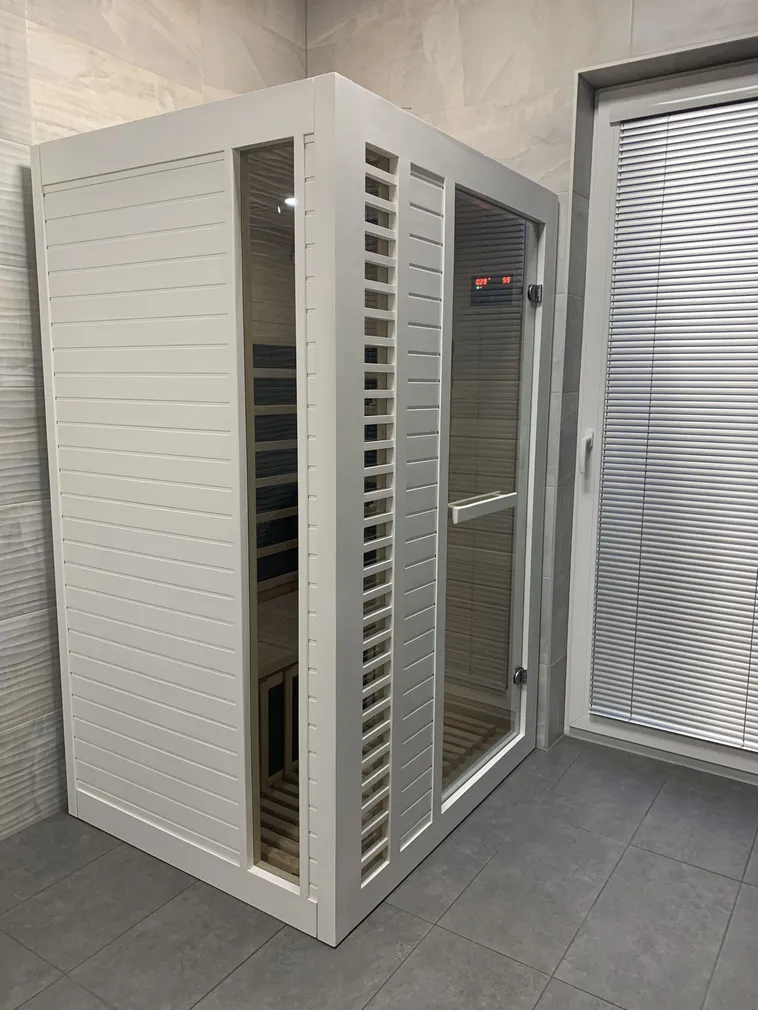
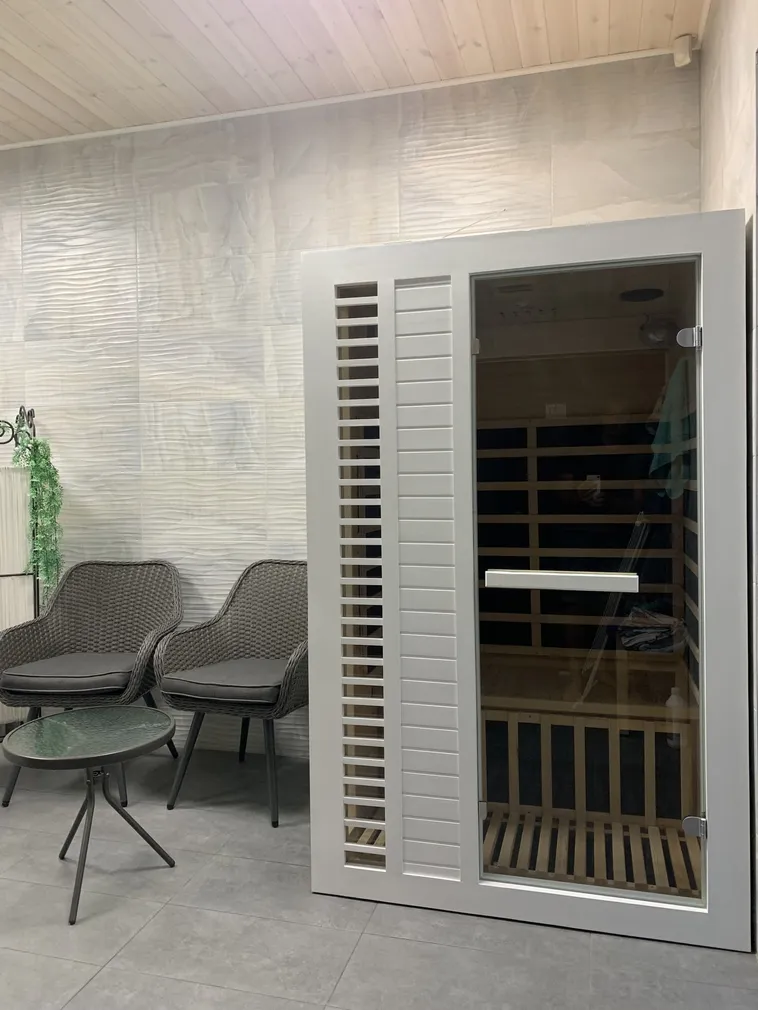
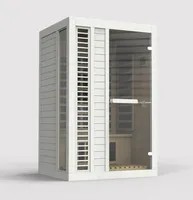
INFRARED SAUNA FOR TWO PEOPLE, WHITE
SKU: 745794
3265.34 € /pcs
1759.00 €
The special prices of the online store may differ from the prices of the regular store
Discount 1506.34 € (46%)
E-shop campaign price for a logged-in customer
• 14-day return policy.
• PRODUCT AVAILABLE FOR ORDER FROM THE SUPPLIER'S WAREHOUSE
- Home delivery from 16,90 € from 02.12.2026
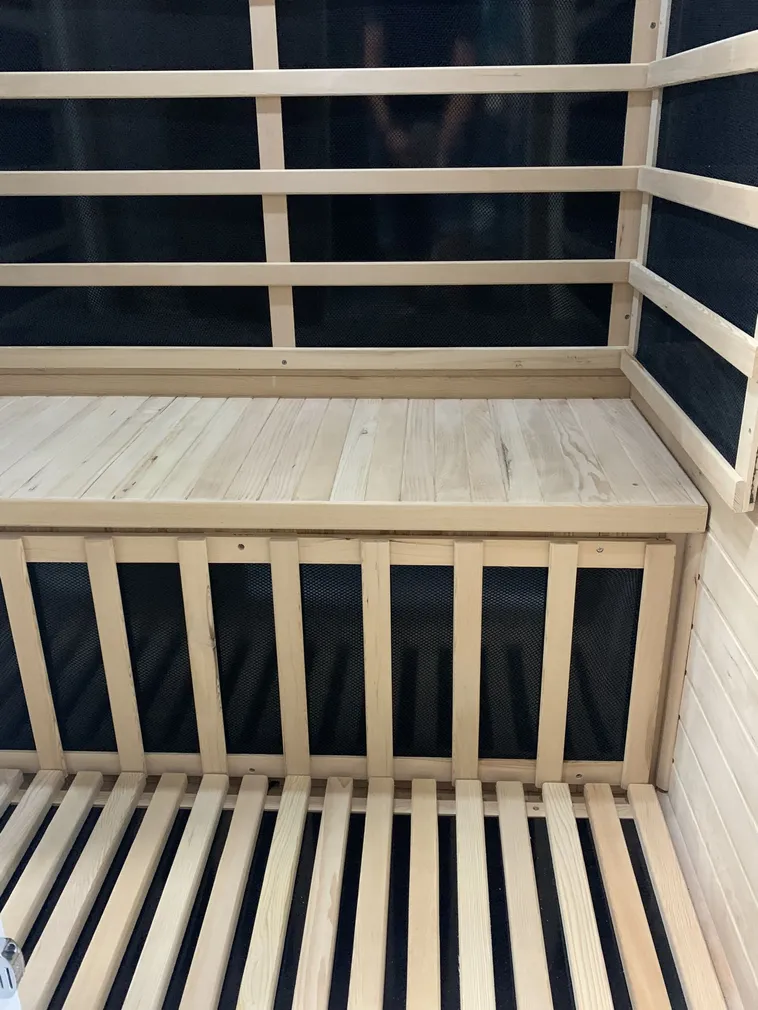
An infrared sauna for two people is a high-quality cedar sauna in which infrared radiation is absorbed directly into the tissues, inducing intense sweating without the discomfort associated with high temperatures. Sweating in an infrared sauna is nearly three times more intense than in a traditional sauna (which typically has a temperature of 80–110°C).
Dimensions: 1200 x 1150 x 1900 mm,
Power: 1750 W
, 5
carbon heating elements, Tinted heat-resistant safety glass
, CD/radio
, Color therapy
, Air ionizer
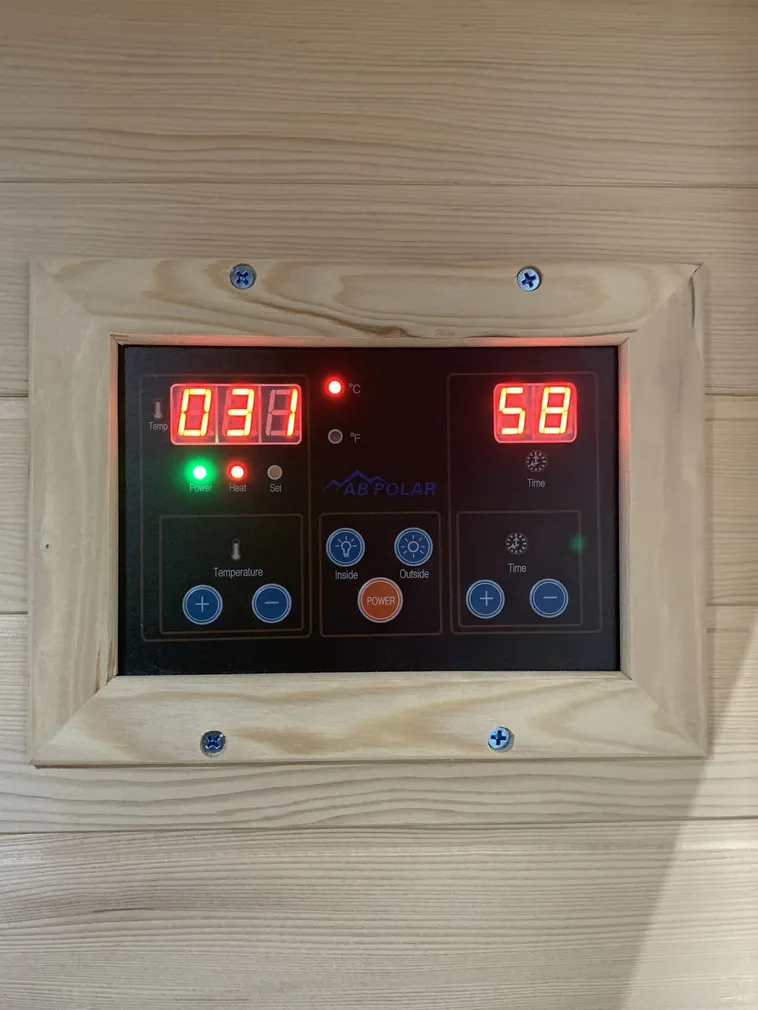
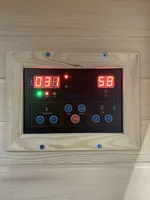
, Electronic control panel
, LED lights
. Not recommended for very humid rooms
. HOW DOES AN INFRARED SAUNA DIFFER FROM A TRADITIONAL SAUNA?
While a traditional sauna uses hot air to transfer heat to the human body, infrared radiation heats the body’s tissues directly.
Although the temperature in an infrared sauna is pleasantly warm, ranging from 35 to 45°C, its heating effect is deeper and more effective. In addition, an infrared sauna has a healing effect on the human body and is used for therapeutic purposes.
Infrared radiation is absorbed directly into the tissues, inducing intense sweating without the discomfort associated with high temperatures. Sweating in an infrared sauna is nearly three times more intense than in a traditional sauna (which typically operates at 80–110°C). Through sweating, the body eliminates various waste products such as toxins, alcohol, nicotine, and cholesterol, as well as potentially carcinogenic heavy metals like zinc, lead, and nickel. The skin’s pores are cleansed, and skin tone, elasticity, texture, and complexion improve.
• The lower temperature of an infrared sauna is suitable for those who need to exercise caution with sauna procedures due to cardiovascular diseases.
• Furthermore, the infrared sauna does not strain or make breathing difficult, as it lacks the excessive humidity and high air temperature found in a traditional sauna.
• Absorbed infrared radiation promotes the distribution of heat throughout the body and has a calming effect.
• An infrared sauna reduces fatigue and stress.
• In addition, an infrared sauna is more convenient to use because it heats up quickly and has lower operating costs.
WHAT ARE THE MAIN POSITIVE, HEALTH-PROMOTING EFFECTS OF AN INFRARED SAUNA ON THE BODY?
An infrared sauna burns kilocalories, contributing to fat loss. The body needs energy to produce sweat: it takes 0.586 kcal to produce 1 g of sweat. The Journal of the American Medical Association states: “A person of average fitness who responds to elevated temperatures with moderate sweating can lose up to 500 g during a 30-minute sauna session, which corresponds to approximately 300 kcal. A person with a good sweating response, on the other hand, can burn an average of 600–800 kcal without exertion, which is equivalent to running 10–15 km. Although the lost weight is replaced by water, the calories burned are not replenished.” An infrared sauna is helpful for those who cannot exercise regularly but wish to manage their weight and improve their health through physical activity.
The number of calories burned by an average person weighing 68 kg in 30 minutes:
Activity Calories
Burned Rowing 600
Long-distance running 590
Vigorous racquet sports 510
Breaststroke swimming 300
Tennis (fast-paced) 265
Cycling 225
Golf 150
Walking 150
Infrared sauna 600–800
An infrared sauna strengthens the cardiovascular system. Along with sweating, several other changes occur to release excess heat. Heart rate and stroke volume increase, and the heart pumps more blood through dilated blood vessels, thereby achieving results typical of exercise.
According to a study conducted by German researchers, patients with stage I and II hypertension experienced improved peripheral blood flow and lower blood pressure readings after a one-hour infrared sauna session.
An infrared sauna cleanses the skin, improves its appearance, and stimulates skin cell renewal by enhancing blood flow and metabolism in the skin. The skin becomes softer, and its tone and elasticity improve. Clinical studies show faster healing of acne, eczema, psoriasis, skin burns, and wounds. Wounds heal more quickly, scars are smaller, and keloids have been observed to soften.
Infrared saunas also accelerate the reduction of cellulite. Infrared radiation relieves pain by dilating peripheral blood vessels. In medicine, infrared lamps have been used for decades to treat muscle and joint problems. Improved circulation ensures that tense muscles are supplied with oxygen-rich blood and that metabolic waste products are removed. As a result, muscle tension and joint stiffness are reduced, and the body’s natural recovery processes are activated.
Studies by researchers in Japan and the U.S. confirm the therapeutic effects of infrared radiation in the treatment of chronic musculoskeletal disorders and in post-traumatic rehabilitation. After a session in a 45-degree infrared sauna, the elasticity of collagen fibers improves by approximately 20–30%, which is very important for physical therapy. For athletes, an infrared sauna is an excellent pre-workout warm-up: it reduces muscle tension and increases joint flexibility and range of motion. After physical exertion, however, infrared accelerates recovery, corrects oxygen deficiency, improves blood supply, and relieves muscle tension and pain.
Infrared radiation has therapeutic effects for many conditions—such as rheumatoid arthritis, osteoarthritis, chronic neck and lower back pain, etc. It is also suitable for alleviating problems associated with age-related changes, such as joint stiffness and pain.
| General | |
|---|---|
| Product code | 745794 |
| Package dimensions | |
|---|---|
| Product weight, kg | 130 |
| Package height, cm | 160 |
| Package depth, cm | 200 |
| Package width, cm | 80 |
| Weight, kg | 130 |
Bauhof special transport
Home delivery from 16,90 € from 02.12.2026
Special transport is a convenient way to order large-scale materials. By entering the postal code in the shopping cart, we will find the exact cost of transport to your door. Charges for both goods and transport service at the same time. The exact delivery time of the goods is agreed in person by the Bauhof customer service.
Check out more detailed terms here