

- Courier service to home from 24,99 € from 02.12.2026
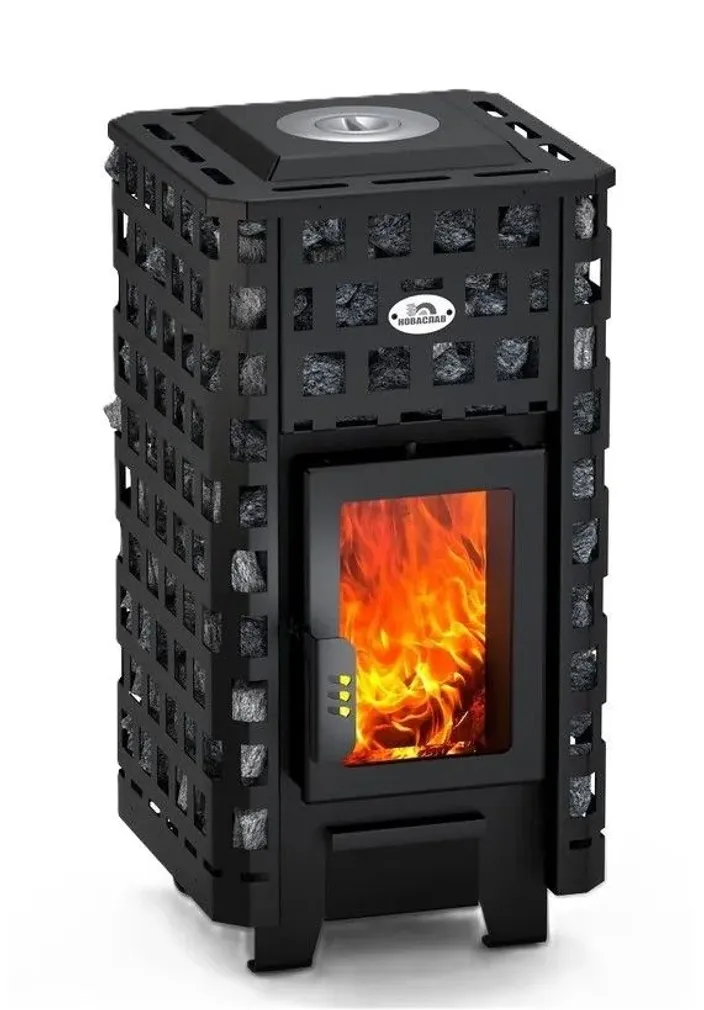
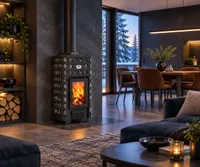
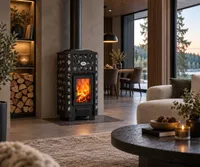
VERTICAL FIREPLACE WITH STOVE TOP AND GLASS, WITH A STONE FRAME
SKU: 786221
819.00 € /pcs
573.30 €
The special prices of the online store may differ from the prices of the regular store
Discount 245.70 € (30%)
E-shop campaign price for a logged-in customer
• Kütteseade, mis on mõeldud elu- ja tööstusruumide kütmiseks.
• Ahjul on küpsetusalus ja malm pliidiplaat.
• Köetav ruum: kuni 100 m3.
• 14-päevane tagastusõigus.
• HANKIJA LAOST TELLITAV TOODE
• Ahjul on küpsetusalus ja malm pliidiplaat.
• Köetav ruum: kuni 100 m3.
• 14-päevane tagastusõigus.
• HANKIJA LAOST TELLITAV TOODE
Installment calculator
Monthly payment
136.50 € - Courier service to home from 24,99 € from 02.12.2026
A fireplace/stove is an economical and efficient heating appliance designed for heating residential and industrial spaces. The stove features a baking tray and a cast-iron cooktop.
Heating capacity: up to 100 m³
Weight: 71 kg
Dimensions: height/width/length: 878 × 440 × 440 (516) mm
Maximum heat output: 10 kW
Flue pipe diameter: 120 mm
Stove door dimensions: 243 x 343 mm
Log length: 450 mm
Chimney height: at least 6 m
The stove has a frame designed to hold sauna stove stones (stones not included)
*The volume of the heated space is approximate and depends on many factors, such as heat loss due to enclosed structures; ceiling height; the presence of ventilation; the moisture content of the firewood; etc.
The heating unit features a two-chamber stove in which fuel combustion and the afterburning of stove gases occur in two stages using the smoldering combustion method (based on the “wood gas generator” principle).
The furnace gases produced during the smoldering of firewood in the lower (primary) chamber enter the upper (secondary) chamber, where they are burned by introducing air (oxygen) heated by the room through special nozzles.
Since the firewood smolders rather than burns, a single full load of the stove is sufficient for 6–8 hours of continuous operation (depending on the density and moisture content of the fuel). The stove’s combustion chamber is wrapped in heat-exchange tubes, which ensure efficient heat transfer. Cold air from the heating space enters through the lower openings of these tubes and returns to the room through the upper openings, having been heated to a temperature of 60–80 °C.
Thus, the air is heated and distributed evenly throughout the room. The tubes are in full contact with the walls of the combustion chamber; they immediately absorb the generated heat and rapidly transfer it to the room being heated. Good heat transfer from the stove’s walls, thanks to the powerful convection current created, ensures efficient heat removal from the stove’s surfaces. Fuel is loaded through the stove door, which is quite large to allow for the insertion of large logs. The door latch ensures a secure and tight seal. The intensity of heating is regulated by the ash pan. The afterburning mode for the furnace gases released from the fuel is determined by the ash collector and is selected separately each time through trial and error.
The top surface is used as a baking tray.
| General | |
|---|---|
| Product code | 786221 |
| Package dimensions | |
|---|---|
| Product weight, kg | 75 |
| Package height, cm | 90 |
| Package depth, cm | 55 |
| Package width, cm | 45 |
| Weight, kg | 75 |
Bauhof Transport
Courier service to home from 24,99 € from 02.12.2026
Delivery by courier. A Bauhof courier will deliver the goods to the doorstep at the destination. Carriage of the goods to the door or to the apartment is not included. Once the ordered products have been delivered to the courier company, the courier company will contact you in advance to specify the delivery time.
Check out more detailed terms here